Sleep, Movement, Meals and Curiosity: Field Notes on What Published Research Says About Everyday Memory
A plain-language walk through peer-reviewed studies that looked at daily routines and how people remember, focus and learn — with every source listed at the end.
Prepared by the Larkfield Living team · Updated November 2026 · 9-minute read
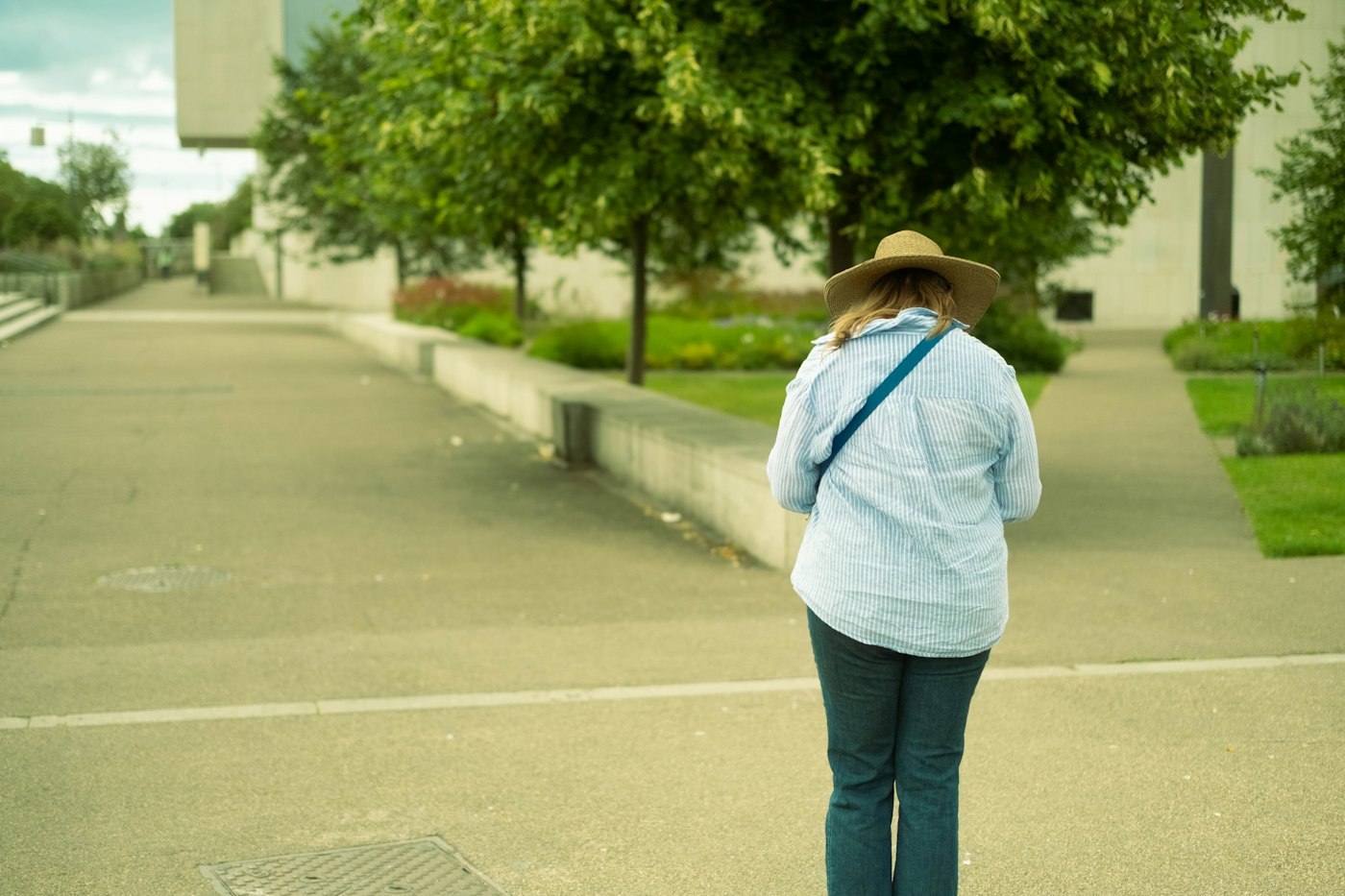
Walking is one of the everyday routines researchers have examined. Photo shows a model.
Forgetting where the keys went, or losing the thread halfway through a sentence, is a familiar moment for many adults. For decades, scientists have asked whether ordinary routines — how we sleep, move, eat and spend our free time — line up with measures of memory and attention.[1][2]
These notes gather a handful of those studies. They are a starting point for curiosity rather than a complete review, and what was observed in one group of volunteers may not hold true for everyone.
Please note: this page shares general information for educational purposes. It is not medical advice. Anyone with a health concern should speak with a qualified healthcare professional.
~2%of adult body weight is made up by the brain[3]
~20%of the body’s resting energy is used by the brain[3]
7+ hrsof nightly sleep recommended for adults by two sleep societies[4]
01
A small organ with a large energy bill
Although it accounts for only around 2% of body weight, the brain draws roughly one fifth of the energy the body uses at rest.[3] The researchers who analyzed this budget explain that most of it supports the constant signaling between nerve cells, which continues even while a person is sitting quietly.[3]
That steady demand helps explain why scientists pay close attention to what supplies the brain throughout the day — blood flow, rest and the nutrients that come from food.
02
What happens while we rest
A comprehensive review published in Physiological Reviews describes sleep as an active period during which the brain works on recently learned information and helps it settle into longer-lasting memory.[2]
A calm sleeping space at the end of the day.
In laboratory work with mice, investigators observed that the spaces between brain cells widened during sleep and that metabolic by-products were cleared faster than during wakefulness.[5] Because this was animal research, it does not tell us directly what happens in people.
A meta-analysis that pooled cohort and experimental studies linked disturbed sleep with higher levels of certain inflammation markers in the blood.[6]
How much sleep do experts suggest?
A joint statement by the American Academy of Sleep Medicine and the Sleep Research Society recommends that adults sleep seven or more hours per night on a regular basis.[4]
03
Walking, sitting and the brain
In a year-long randomized trial, 120 older volunteers were assigned either to walk three days a week or to follow a stretching and toning routine. Among the walkers, the hippocampus — a brain region tied to memory — was about 2% larger after one year, while in the stretching group it was about 1.4% smaller.[7]
The research team also reported that this change tracked with blood levels of BDNF, a protein involved in the brain’s ability to adapt.[7]
“Shorter interruptions to sitting have been studied too.”
When healthy desk workers sat for four hours without a break, blood flow to the brain went down; when they stood up for a two-minute walk every half hour, that drop did not appear.[8] The study was small and done in a laboratory, so it describes a short-term effect in a specific group.
04
What ends up on the plate
A widely cited review in Nature Reviews Neuroscience describes DHA, an omega-3 fat found in fish such as salmon and sardines, as an important building block of the membranes that surround brain cells.[1]
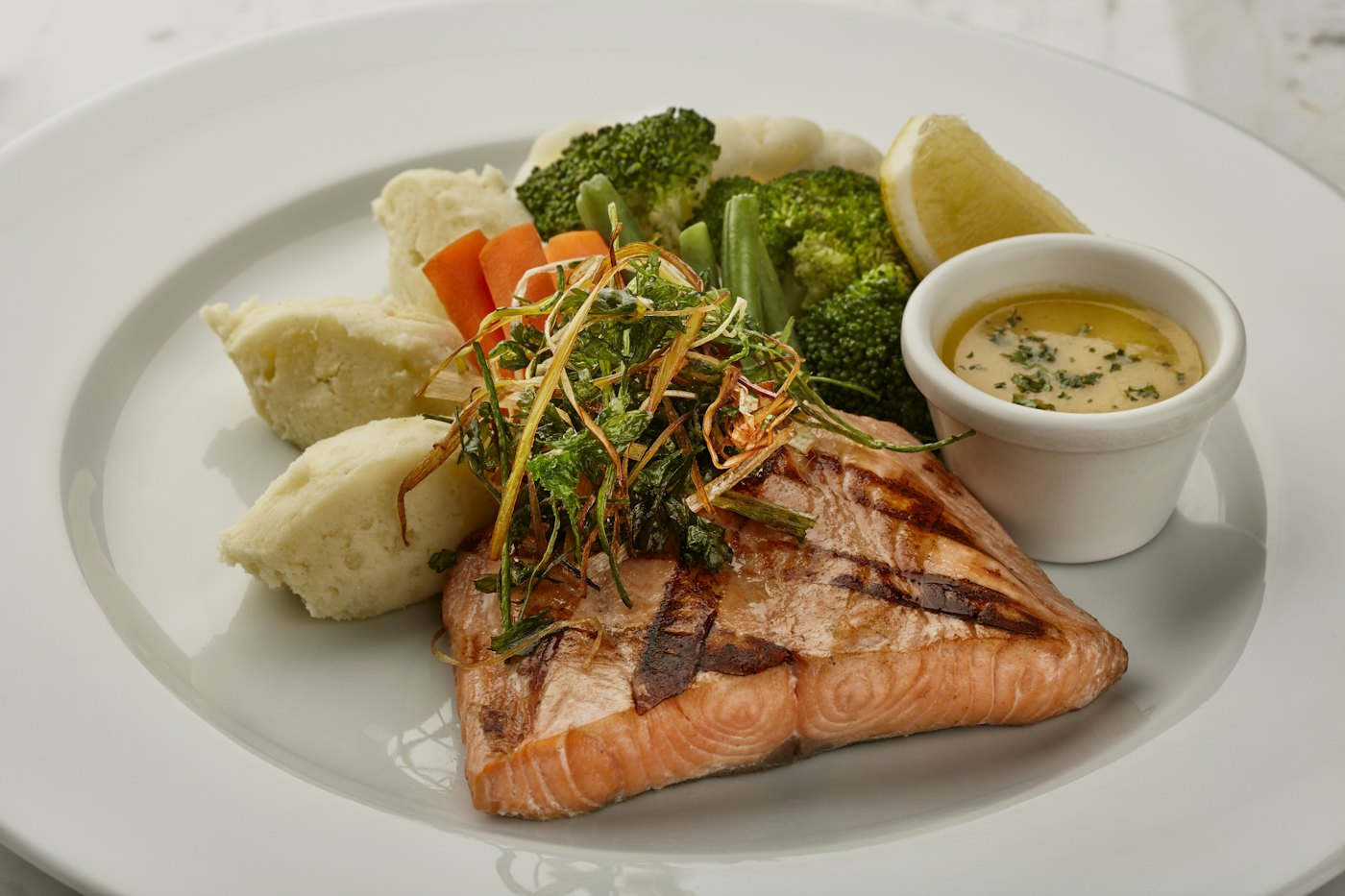
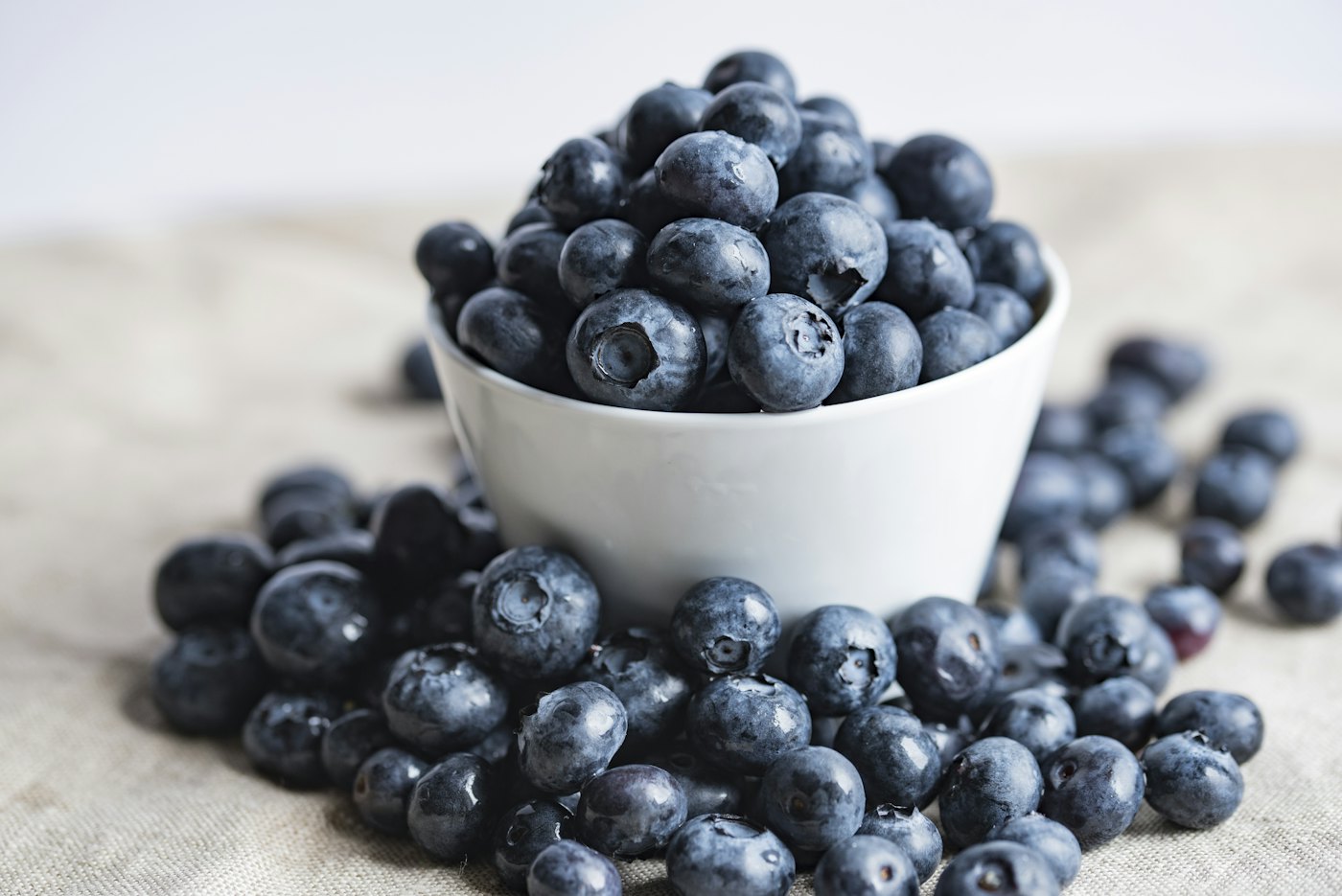
Fatty fish provides the omega-3 fat DHA.Blueberries were used in a small pilot study.
According to a 2016 review, B vitamins — including B6, B12 and folate — help the body release energy from food and take part in making neurotransmitters, the messengers nerve cells use to communicate.[9]
Researchers who followed older adults over several years found that those who ate about one serving of leafy green vegetables a day showed a slower pace of age-related change on memory and thinking tests than those who rarely ate them.[10]
In a small 12-week pilot study, older volunteers with mild memory complaints who drank wild blueberry juice every day did better on some memory tasks. The authors noted that larger studies are needed.[11]
Whole eating patterns have been examined as well. Brain scans taken about four years apart in adults in their sixties associated a “Western” pattern, high in processed and fried foods, with a smaller left hippocampus, and a pattern rich in vegetables, fruit and fish with a larger one.[12] These were associations; the study did not test whether changing one’s diet changes the brain.
Blood sugar has drawn attention too. In the PATH Study, higher fasting glucose — even within the normal range — was associated with more volume loss over time in brain regions involved in memory.[13]
Two compounds that often come up
Alpha-lipoic acid has been studied as a biological antioxidant, and the body produces small amounts of it on its own.[14]
Phosphatidylserine is a fat-like molecule found in cell membranes. In a six-month trial with older Japanese adults who reported memory complaints, those who took a soybean-derived form improved on some memory measures, particularly participants who started with lower scores.[15]
05
People, projects and calm
Time spent with others is one of the areas researchers have looked at. Photo shows models.
A systematic review of studies in healthy older adults found that taking part in social activities and having wider social networks went along with better results on several tests of thinking skills.[16]
In the Synapse Project, older adults spent about 15 hours a week for roughly three months learning demanding new skills, such as digital photography or quilting. Compared with groups that met socially or did less demanding tasks at home, they showed gains in episodic memory.[17]
Stress has been studied as well: a review of 47 clinical trials reported that mindfulness meditation programs led to small improvements in some measures of psychological distress, with the strength of the evidence varying from one outcome to another.[18]
Questions some readers bring to their next check-up
Is my usual amount of sleep close to the seven or more hours experts recommend for adults?[4]
Would short walking breaks fit into the hours I spend sitting?[8]
Does my everyday eating pattern include fish, leafy greens or berries?[1][10][11]
Are there activities or groups that would keep me learning and connected with others?[16][17]
These questions are prompts for a conversation with a healthcare professional, not recommendations.
Keep in mind: the studies above describe particular groups of participants, and many of them observed associations rather than cause and effect. They are not intended to diagnose any condition or to suggest a treatment.
Educational resource
A guide that gathers these topics in one place
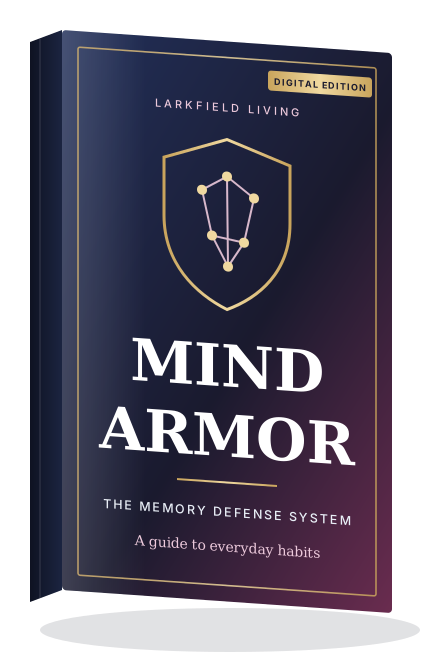
Reading original research takes time: the papers above come from different journals, use different methods and are often written in technical language. Mind Armor: The Memory Defense System is a digital educational guide that brings themes like these together in plain language, to read at your own pace.
Food and nutrientsEating patterns and nutrients that researchers have explored.
Everyday rhythmMovement, sitting time and sleep routines.
Staying engagedLearning new things and spending time with others.
Long-term well-beingBroader wellness practices adults often read about.
It is not a supplement, a medication or a medical program, and it makes no promise of results. It is a digital product, delivered by email and readable on a phone, tablet or computer. Two one-time options are available, with no subscription: the guide alone (US$ 147) or the guide with video lessons (US$ 250). Refund requests can be made as described in our Terms of Use.
Mind Armor: The Memory Defense System is an educational product for informational purposes only. The studies cited on this page were conducted independently and did not evaluate it. This is an advertisement.
If none of this feels like the right fit, the references below are free to read on their own. For any medical question, the best first step is a conversation with a qualified healthcare professional.
References
Each statement on this page is supported by the peer-reviewed publications below. The studies were carried out independently by their authors and did not evaluate Mind Armor: The Memory Defense System.
Gómez-Pinilla F. Brain foods: the effects of nutrients on brain function. Nat Rev Neurosci. 2008;9(7):568-578. pubmed.ncbi.nlm.nih.gov/18568016/
Raichle ME, Gusnard DA. Appraising the brain's energy budget. Proc Natl Acad Sci USA. 2002;99(16):10237-10239. pubmed.ncbi.nlm.nih.gov/12149485/
Watson NF, et al. Recommended amount of sleep for a healthy adult: a joint consensus statement of the American Academy of Sleep Medicine and Sleep Research Society. Sleep. 2015;38(6):843-844. pubmed.ncbi.nlm.nih.gov/26039963/
Xie L, et al. Sleep drives metabolite clearance from the adult brain. Science. 2013;342(6156):373-377. pubmed.ncbi.nlm.nih.gov/24136970/
Irwin MR, Olmstead R, Carroll JE. Sleep disturbance, sleep duration, and inflammation: a systematic review and meta-analysis of cohort studies and experimental sleep deprivation. Biol Psychiatry. 2016;80(1):40-52. pubmed.ncbi.nlm.nih.gov/26140821/
Erickson KI, et al. Exercise training increases size of hippocampus and improves memory. Proc Natl Acad Sci USA. 2011;108(7):3017-3022. pubmed.ncbi.nlm.nih.gov/21282661/
Carter SE, et al. Regular walking breaks prevent the decline in cerebral blood flow associated with prolonged sitting. J Appl Physiol. 2018;125(3):790-798. pubmed.ncbi.nlm.nih.gov/29878870/
Kennedy DO. B vitamins and the brain: mechanisms, dose and efficacy — a review. Nutrients. 2016;8(2):68. pubmed.ncbi.nlm.nih.gov/26828517/
Morris MC, et al. Nutrients and bioactives in green leafy vegetables and cognitive decline: prospective study. Neurology. 2018;90(3):e214-e222. pubmed.ncbi.nlm.nih.gov/29263222/
Krikorian R, et al. Blueberry supplementation improves memory in older adults. J Agric Food Chem. 2010;58(7):3996-4000. pubmed.ncbi.nlm.nih.gov/20047325/
Jacka FN, et al. Western diet is associated with a smaller hippocampus: a longitudinal investigation. BMC Med. 2015;13:215. pubmed.ncbi.nlm.nih.gov/26349802/
Cherbuin N, Sachdev P, Anstey KJ. Higher normal fasting plasma glucose is associated with hippocampal atrophy: the PATH Study. Neurology. 2012;79(10):1019-1026. pubmed.ncbi.nlm.nih.gov/22946113/
Packer L, Witt EH, Tritschler HJ. Alpha-lipoic acid as a biological antioxidant. Free Radic Biol Med. 1995;19(2):227-250. pubmed.ncbi.nlm.nih.gov/7649494/
Kato-Kataoka A, et al. Soybean-derived phosphatidylserine improves memory function of the elderly Japanese subjects with memory complaints. J Clin Biochem Nutr. 2010;47(3):246-255. pubmed.ncbi.nlm.nih.gov/21103034/
Kelly ME, et al. The impact of social activities, social networks, social support and social relationships on the cognitive functioning of healthy older adults: a systematic review. Syst Rev. 2017;6(1):259. pubmed.ncbi.nlm.nih.gov/29258596/
Park DC, et al. The impact of sustained engagement on cognitive function in older adults: the Synapse Project. Psychol Sci. 2014;25(1):103-112. pubmed.ncbi.nlm.nih.gov/24214244/
Goyal M, et al. Meditation programs for psychological stress and well-being: a systematic review and meta-analysis. JAMA Intern Med. 2014;174(3):357-368. pubmed.ncbi.nlm.nih.gov/24395196/
Advertising Disclosure: This page is an advertorial, meaning a paid advertisement. It is not an editorial article or a news report. The publisher may be compensated for purchases made through links on this page.
Medical Disclaimer: The information on this page is provided for general educational purposes only and does not constitute medical advice, diagnosis or treatment. Always consult a qualified healthcare professional about medical concerns or before changing your diet, physical activity or wellness routine.
FDA Disclaimer: These statements have not been evaluated by the U.S. Food and Drug Administration. Mind Armor: The Memory Defense System is a digital educational guide and is not intended to diagnose, treat, cure, or prevent any disease.
Results Disclaimer: Individual experiences vary and no particular outcome is guaranteed. The studies cited describe specific groups of participants and did not evaluate Mind Armor: The Memory Defense System. Images are for illustration only and show models.